
Where to see Deer
Ireland’s rolling green hills and ancient woodlands are home to some of the most captivating wildlife in Europe, but few creatures capture the imagination quite like its deer.
Where to See Deer in Ireland: A Guide to the Island’s Wildest Residents
Ireland’s rolling green hills and ancient woodlands are home to some of the most captivating wildlife in Europe, but few creatures capture the imagination quite like its deer. From the native Red Deer that have roamed the island for millennia to the elegant Fallowand elusive Sika, these majestic animals are an integral part of the Irish landscape. Whether you are a dedicated wildlife photographer or a casual nature lover, here are the premier locations to witness these magnificent creatures in their natural habitats.
1. Killarney National Park, Co. Kerry
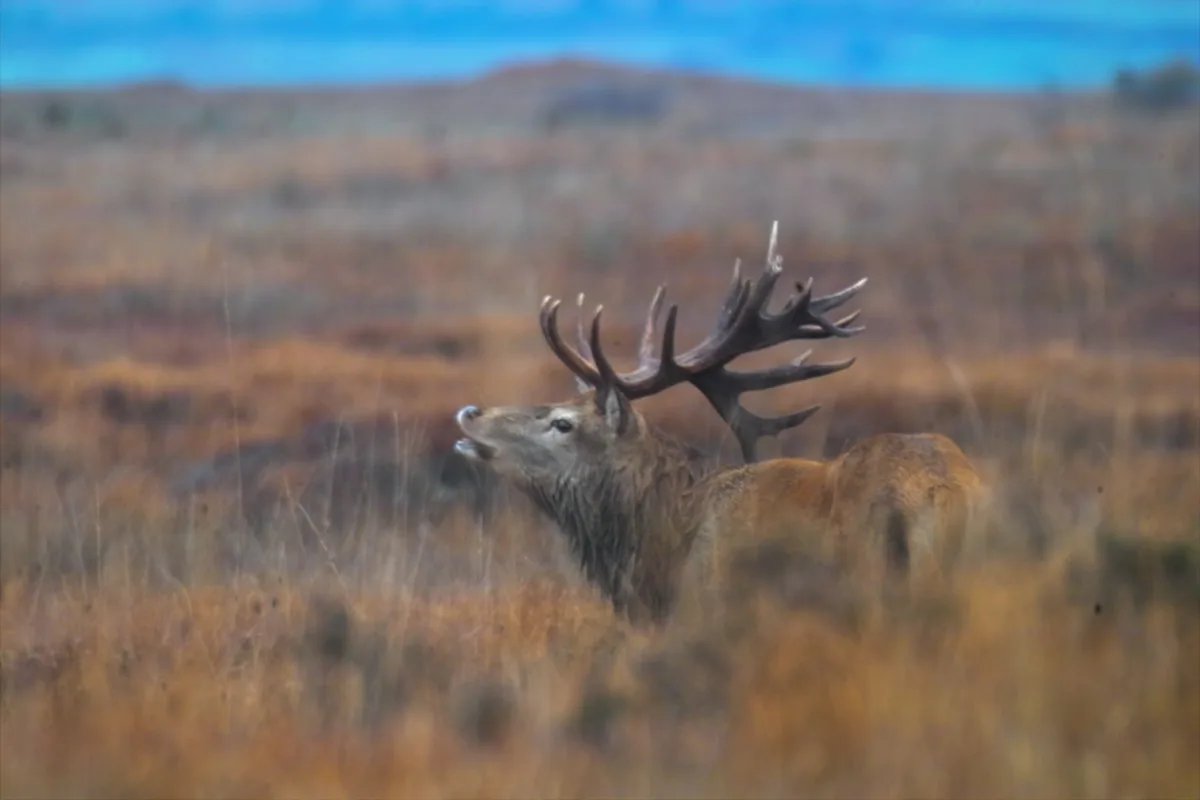
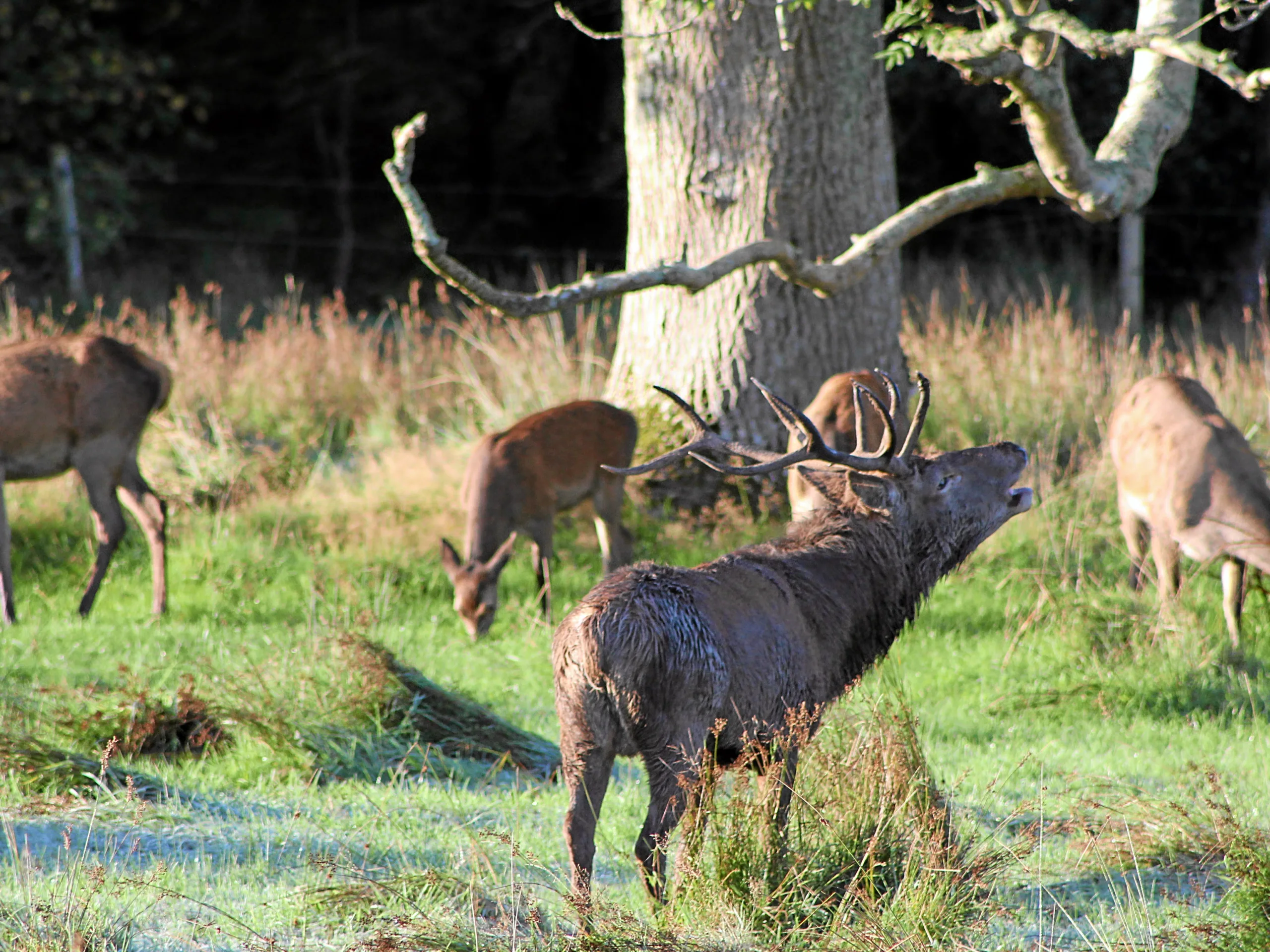
For those seeking the most authentic wildlife experience, Killarney National Park
is the crown jewel. It is the only place in the country home to the last remaining native herd of Red Deer. These deer are direct descendants of Neolithic herds that have existed in Ireland for over 5,000 years.
is the crown jewel. It is the only place in the country home to the last remaining native herd of Red Deer. These deer are direct descendants of Neolithic herds that have existed in Ireland for over 5,000 years.
- Best Spots: The lowland areas near Knockreer and Muckross are reliable for sightings. For a wilder encounter, look toward the slopes of Torc, Cores and Mangerton Mountains
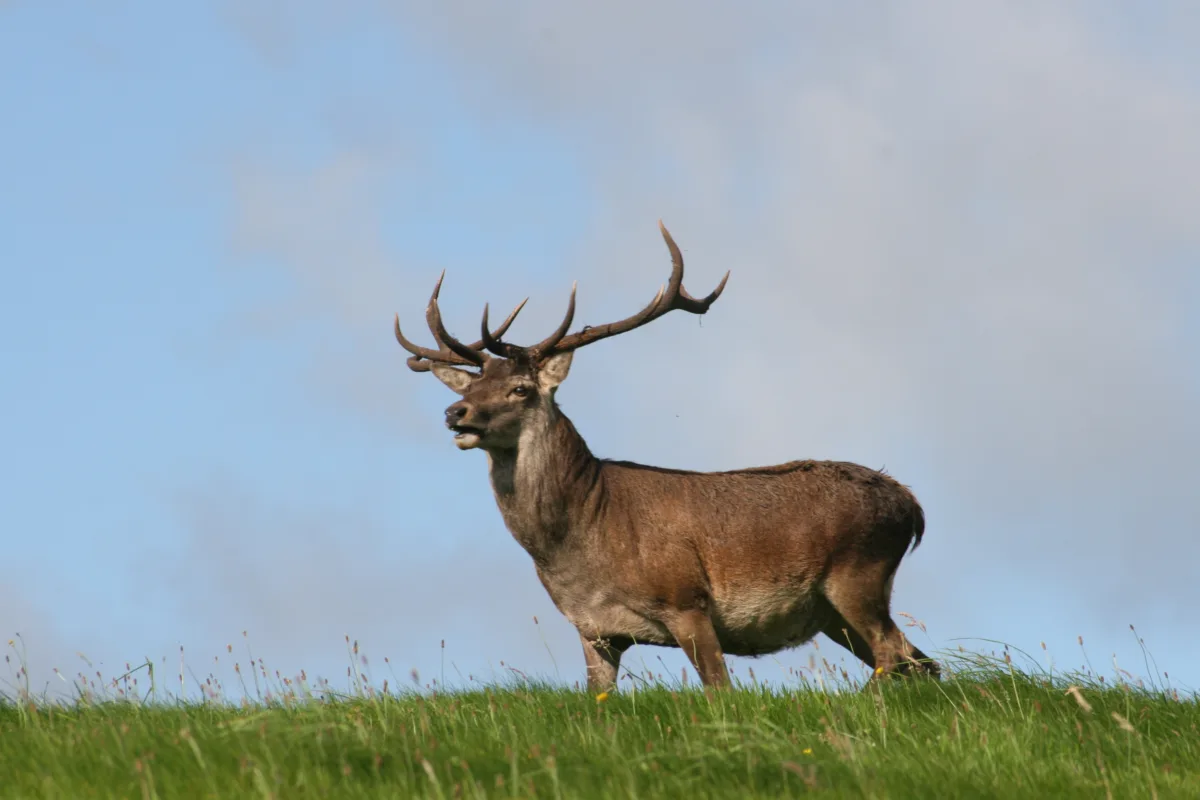
. - The Rut: Visiting in late September or early October is particularly special. During the “rut” (breeding season), the stags’ powerful roars echo through the valleys as they clash antlers to defend their harems.
2. Phoenix Park, Dublin City
You don’t have to travel to the remote west to find deer. Right on the edge of the capital lies Phoenix Park, one of Europe’s largest enclosed city parks. It is famous for its long-established herd of approximately 600 Fallow Deer,descended from a herd first introduced in the 1660s for royal hunting.
- How to Find Them: The herd roams freely across the park’s 1,752 acres. A great starting point is the open field overlooked by the Papal Cross or the wooded areas near the cricket pitches along Chesterfield Avenue.
- Visitor Tip: While these deer are accustomed to people, they are still wild. Keep a distance of at least 50 metres and never feed them, as it can be detrimental to their health.
3. Wicklow Mountains National Park, Co. Wicklow
Just south of Dublin, the Wicklow Mountains offer a rugged landscape of moors and deep glens where Sika Deer and Sika-Red hybrids thrive. Introduced from Japan in 1860, Sika are smaller and shyer than Red Deer, often found in dense forestry.
- Best Spots: The Glendalough Valley, particularly the area above
Lough Dan and the Glenalo Valley, are hotspots for sightings.
- Observation: These deer are incredibly flighty. Approaching from downwind at dawn or dusk provides the best chance of a sighting before they vanish into the trees.
4. Glenveagh National Park, Co. Donegal
In the far northwest, Glenveagh National Park provides a starkly beautiful backdrop for Red Deer.
Unlike the Killarney herd, these were reintroduced from Scotland in the 19th century but have since flourished in the remote Derryveagh Mountains.
Unlike the Killarney herd, these were reintroduced from Scotland in the 19th century but have since flourished in the remote Derryveagh Mountains.
- Experience: The vast stretches of open mountainside and peatland make it possible to spot large herds grazing on the hills from the park’s main walking trails.
5. Other Notable Locations
While the national parks are the primary hubs, deer can be found across the island:


Portumna Forest Park
4.6(271)
Country park
OpenPortumna, County Galway
A fantastic spot to see Fallow Deer grazing near the shores of Lough Derg.
Deerpark Forest, Co. Cavan
Offers peaceful woodland trails where Sika and Fallow deer are frequently spotted by quiet walkers.
Tips for Responsible Watching
To ensure the safety of both yourself and the animals, keep these rules in mind:
- Keep Your Distance: Use binoculars or a long camera lens to get a “close” look without disturbing the animal.
- Be Quiet: Move slowly and keep noise to a minimum; deer have an acute sense of hearing and will flee at the sound of loud voices.
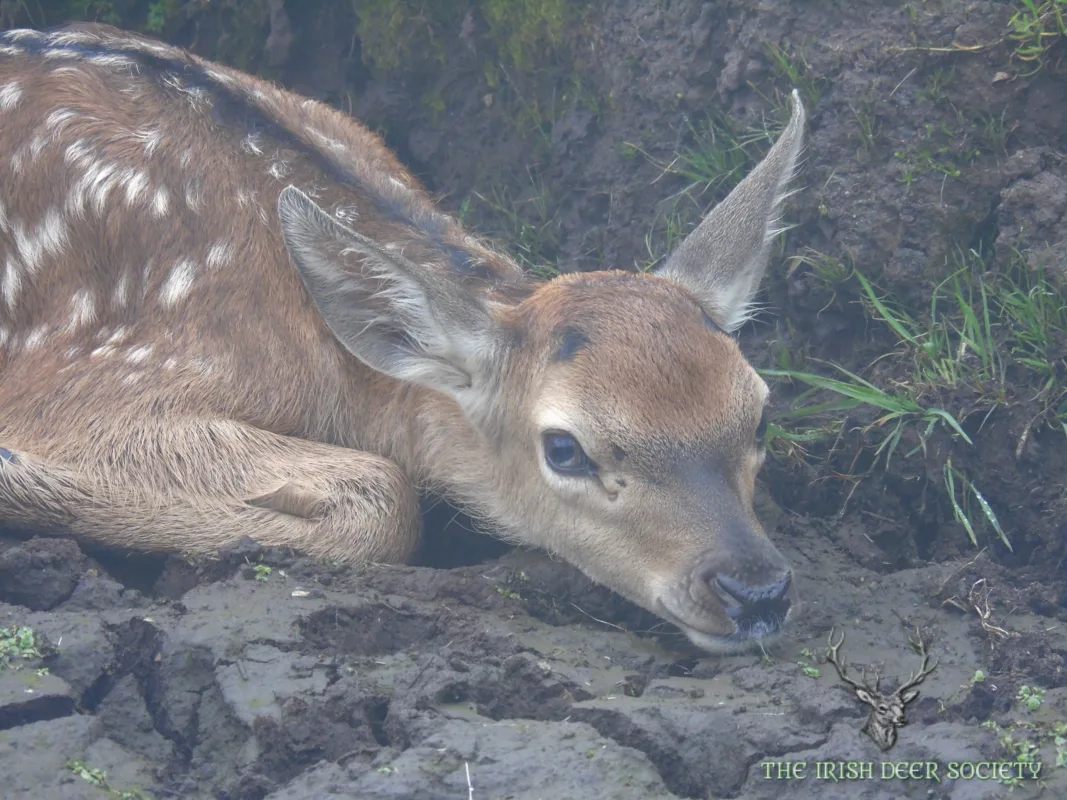
- Respect the Season: Be extra cautious during the autumn rut (September–October) when stags are aggressive, and the summer fawning season (June–July) when mothers are very protective of their young.
Ireland’s deer are a living link to the island’s ancient past. Whether you’re watching a stag through the mist in Killarney or finding the herd in the heart of Dublin, these encounters offer a rare and beautiful connection to the Irish wild.

Events
Lorem ipsum dolor sit roman tol minup sla

Membership
Lorem ipsum dolor sit roman tol minup sla

Donate
Lorem ipsum dolor sit roman tol minup sla
Report an Incident
Lorem ipsum dolor sit roman tol minup sla
Events and workshops
Lorem ipsum dolor sit amet, consectetuer adipiscing elit, sed diam nonummy nibh euismod tincidunt ut laoreet dolore magna aliquam erat volutpat.Lorem ipsum dolor sit amet, consectetuer adipiscing elit, sed doreet dolore magna aliquam erat volutpat.
See all events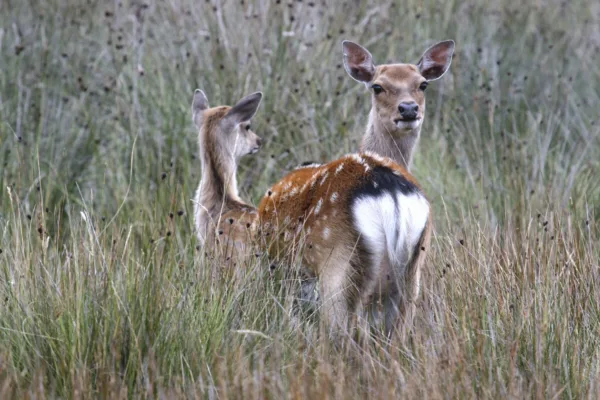
“We are devoted to improving the welfare of wild deer in Ireland and recognise and accept that this may involve culling for the greater good and protection of the overall herd.”
~ John Smith
Where to see Deer
Lorem ipsum dolor sit amet, consectetuer adipiscing elit, sed diam nunt ut laoreet dolore m erat volutpat.Lorem ipsum dolor sit amet, consectetuer adipiscing elit, sed doreet dolore magna aliquam erat volutpat.
Get in touch